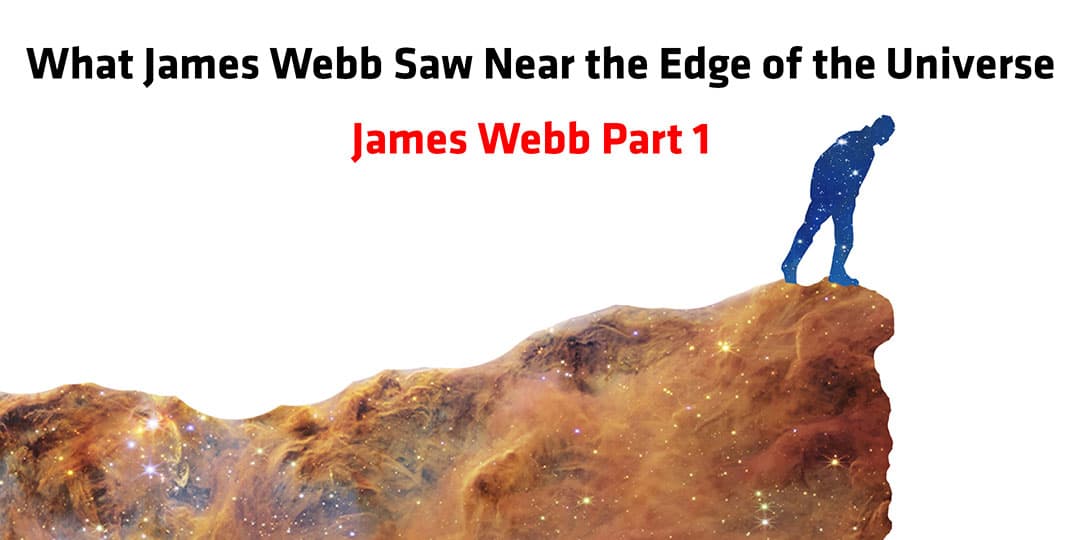
What James Webb Saw Near the Edge of the Universe - Part 1
About this video
The James Webb Space Telescope (JWST) is a monumental achievement in space exploration. Costing $10 billion and taking decades to construct, it was designed to be more powerful than any previous space telescope, including the Hubble. With the capability to operate at temperatures close to absolute zero and detect infrared light, it can observe planetary systems for signs of life, study the formation of celestial bodies, and even capture images from the beginning of time. The JWST, launched in December 2021, has begun sending back astounding images.
The telescope's capabilities allow it to see farther and in more detail than ever before. For instance, it provided a clearer image of the Cosmic Cliffs (NGC 3324) and revealed hidden aspects of star formation. Additionally, the JWST can capture images of dying stars, like in the Southern Ring Nebula (NGC 3132), and can peer into regions beyond our galaxy, such as the Tarantula Nebula and Stephan's quintet of galaxies. One of its most remarkable captures is called "Webb’s First Deep Field," which includes images of one of the oldest galaxies ever seen, at a distance of 13.1 billion light years.
Comparatively, the JWST offers clearer images than the Hubble in a fraction of the time, suggesting its full potential is yet to be realized. In the coming years, the JWST is expected to significantly expand our understanding of the universe, investigating exoplanets, origins of stars, and much more.
Original source